Species Identification Record
Written confirmation of which rat species was present and how we identified it.
Rat control in Corvallis, OR starts with knowing which rat you are fighting — burrowing Norway rats and climbing roof rats need completely different tactics. We identify the species, remove the colony, and seal the routes they traveled.
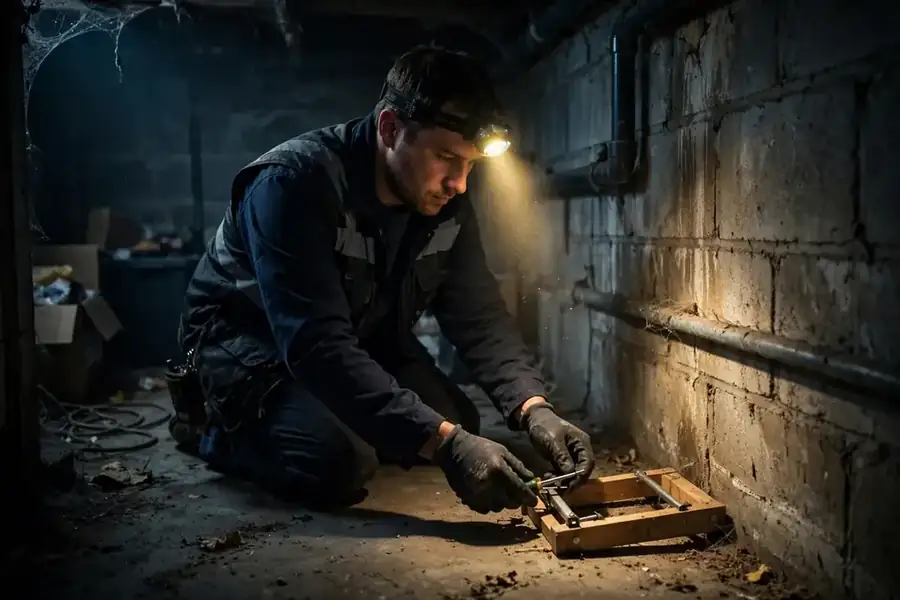
Rats are bigger, bolder, and harder to fool than mice — this service is built specifically for them.
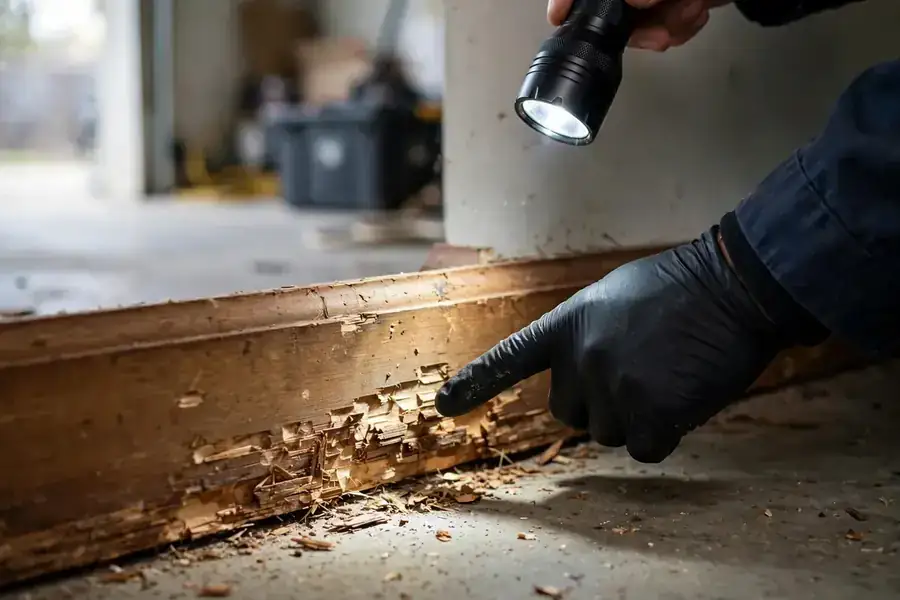
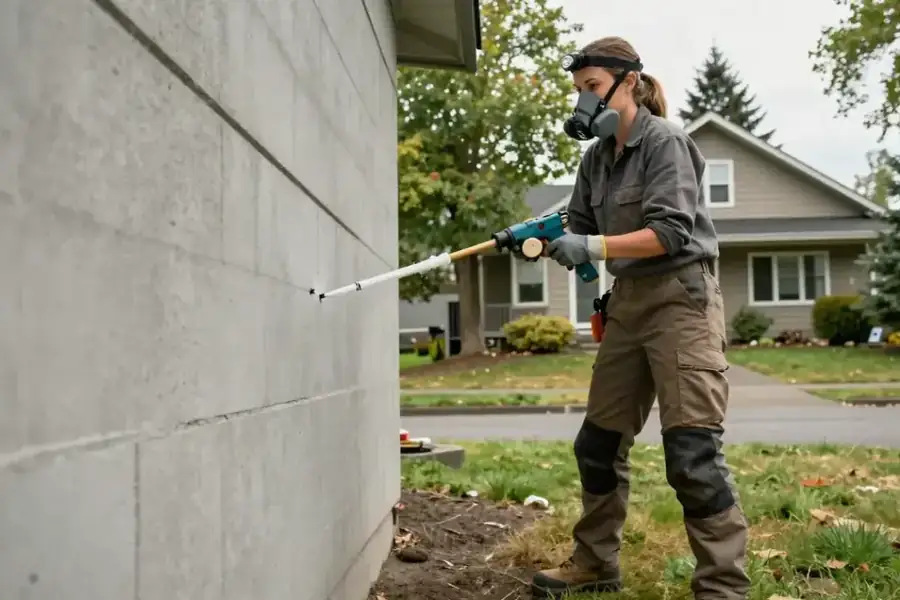
Homes give rats everything they want: warm attics, food in kitchens and pet bowls, and quiet wall voids for nesting. Our residential rat work focuses on finding every nest — attic, crawl space, or garage — and cutting off the routes between them.
Restaurants, warehouses, and farm-adjacent businesses face Norway rat pressure from the ground up. We combine burrow treatment with structural exclusion and keep the documentation your inspectors expect.
Rat control and removal is the species-specific process of eliminating Norway rat or roof rat infestations and preventing their return. Because rats are larger, warier, and stronger than mice, the traps, bait stations, and exclusion materials must all be rated for rats — mouse-grade gear simply does not hold them.
Both species thrive around Corvallis. Norway rats burrow along the Willamette and Marys Rivers, under porches, and in crawl spaces, while roof rats climb mature trees, fences, and power lines to reach attics in older neighborhoods. Fall rains drive both indoors, and a single overlooked entry point can sustain a colony for months.
Trap the rats you see and seal the routes of the ones you don't — that's the whole job.
Rats learn fast and avoid new objects — our process is designed to outsmart that caution.
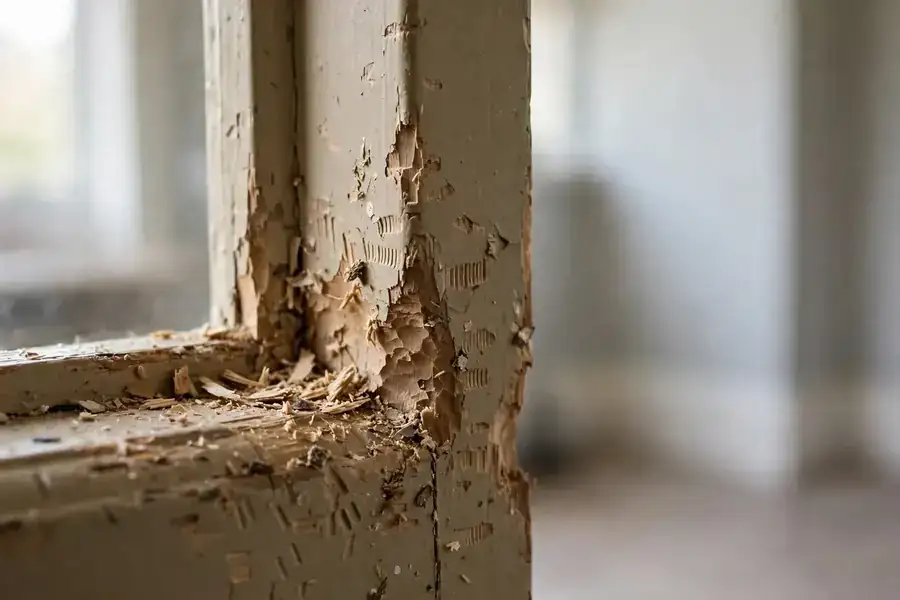
We identify Norway versus roof rat from droppings, burrows, and rub marks, then estimate colony size from activity signs — the plan depends on getting this right.

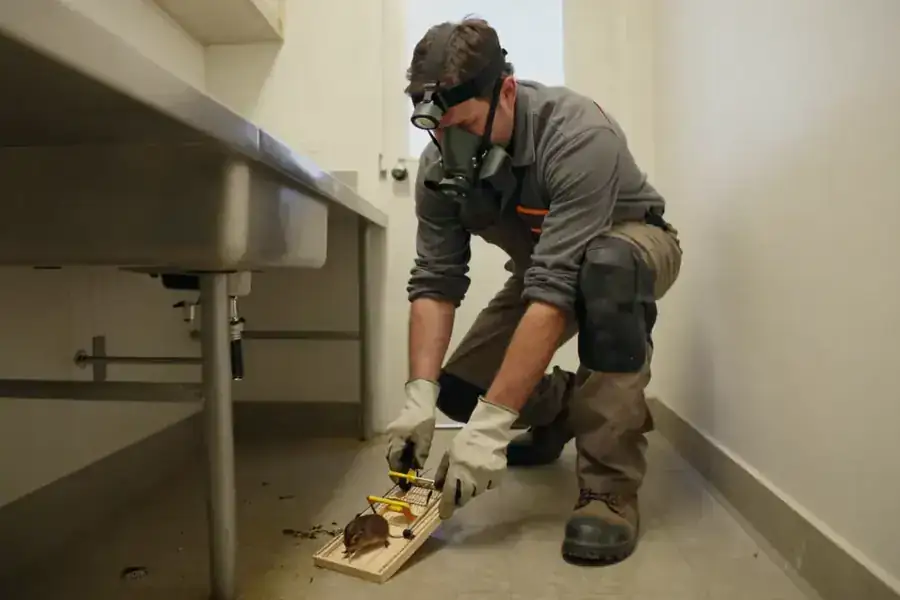
Unset traps go out first so wary rats get comfortable feeding around them; once they are feeding confidently, traps are set along the same runways.
We return on a tight schedule to clear traps, reposition them as the colony shifts, and track declining activity until the last rat is out.
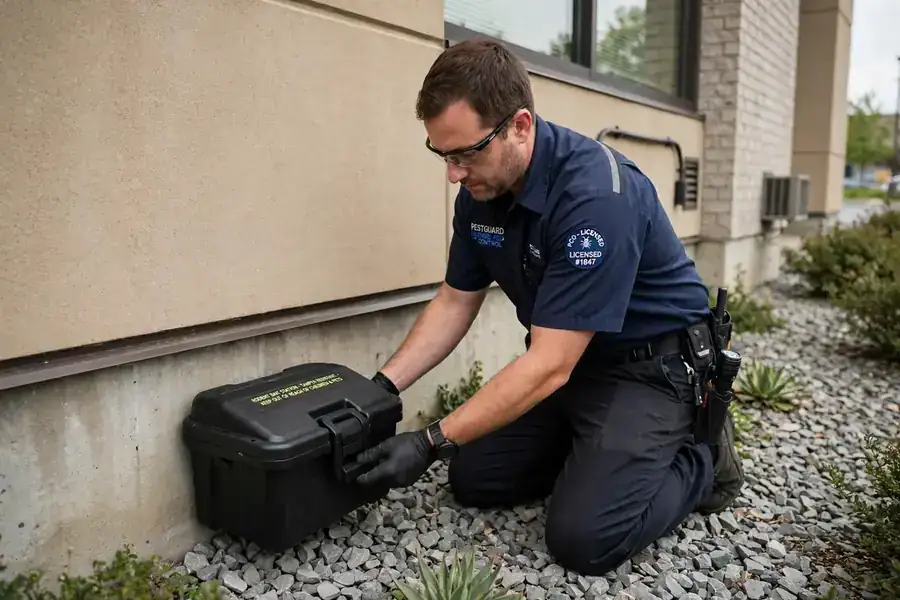
Exterior burrows are treated and collapsed while entry points get rat-proof sealing — galvanized mesh, flashing, and metal kick plates where gnawing was worst.
Monitoring stations stay in place after trapping ends to confirm the colony is gone, and your final report documents every step for your records.
Heavy-duty traps with the striking power to kill a Norway rat instantly — placed in attics, crawl spaces, and along exterior runways.
Large tamper-resistant stations anchored outdoors, holding bait blocks sized for rats and secured against kids, pets, and raccoons.
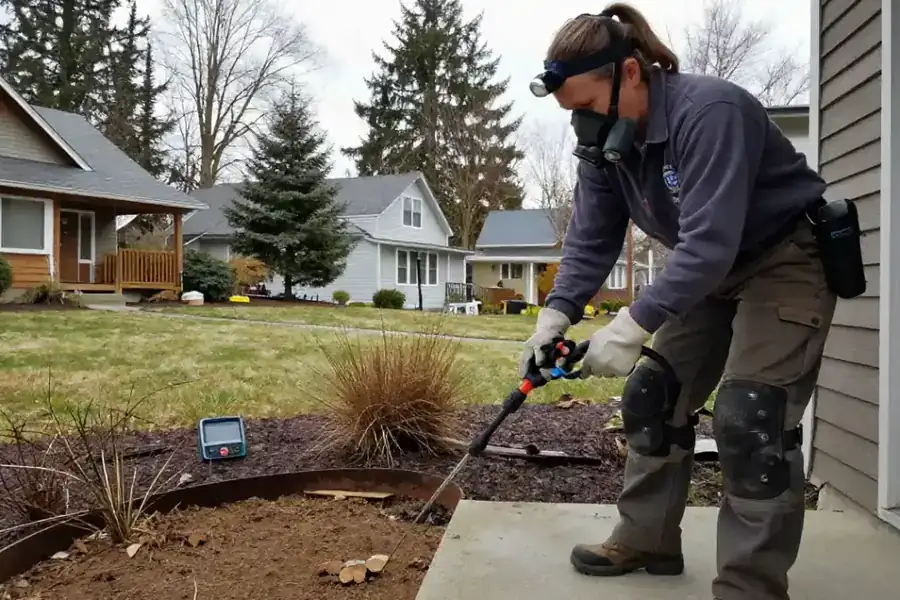
Slender rods that map the direction and depth of Norway rat burrow systems before treatment, so no tunnel entrance is missed.
Galvanized steel mesh that rats cannot chew through, used over vents, foundation gaps, and crawl space openings.

Sheet metal shaped over gnawed door frames, corners, and eave gaps — a surface rats cannot chew back through.
Tough exterior sealant that locks exclusion materials in place and stands up to Oregon's wet winters.
Ultraviolet inspection that exposes rat urine trails and rub marks along baseboards, pipes, and beams.
Densely packed copper wool for larger pipe chases and foundation voids — it fills the gaps rats widen with their teeth.
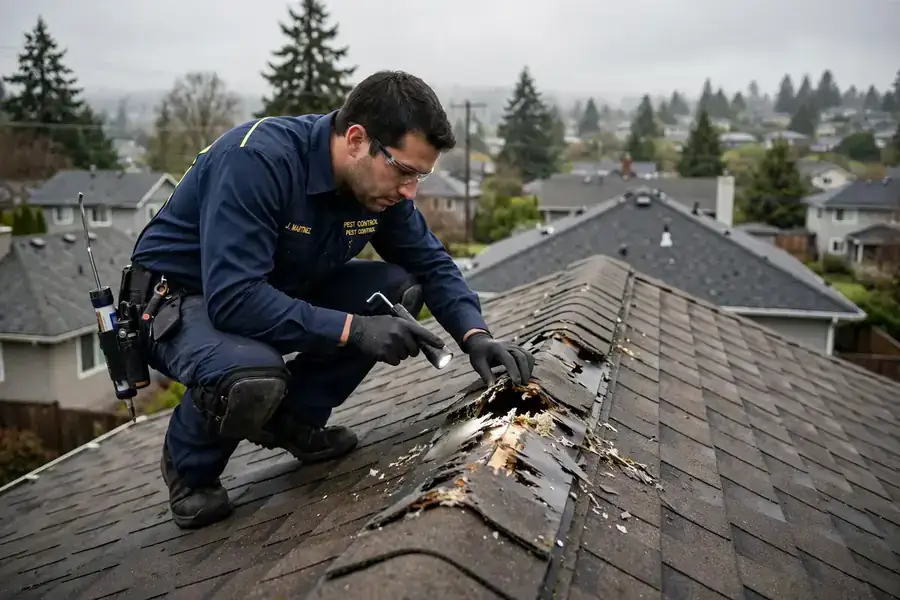
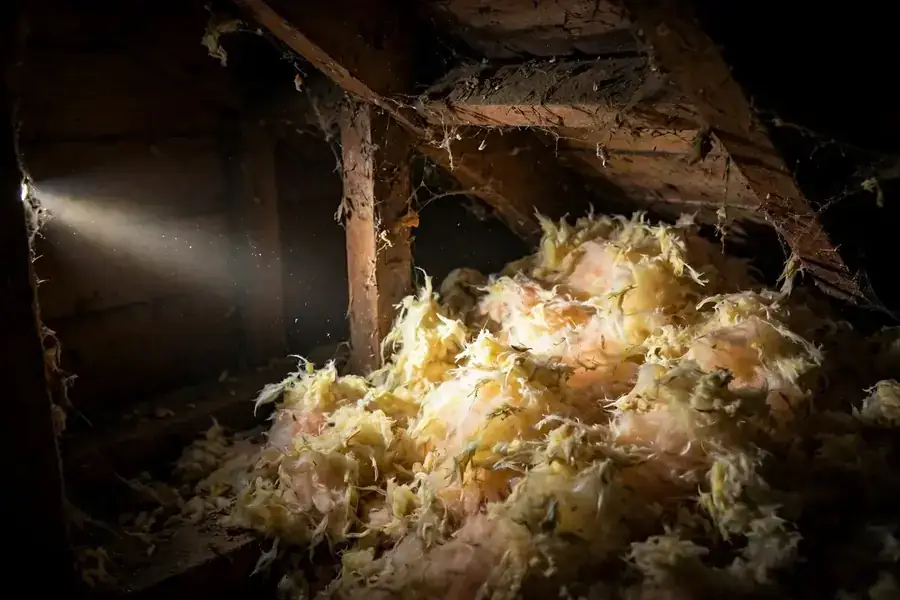
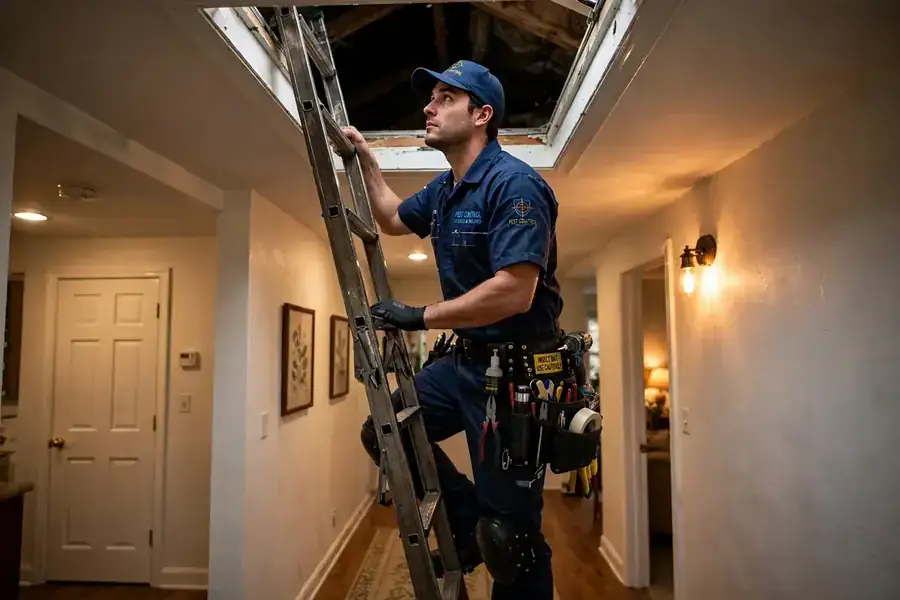
Heavy scratching overhead usually means roof rats nesting in the attic or wall tops. We trap the colony, remove nesting material, and seal the roofline gaps they climbed through.
Norway rats dig burrow systems with multiple entrances along foundations, porches, and sheds. We treat the burrows, collapse the tunnels, and cut off their indoor access.
Hollowed-out fruit on the ground or gnaw marks on tree bark point to roof rats working your yard. Yard trapping plus tree-trimming guidance pushes them out for good.
Corvallis gives rats two perfect habitats, and we plan for both. Norway rats follow the Willamette and Marys River corridors, burrowing into yards and crawl spaces in riverside neighborhoods — so riverside properties get exterior burrow treatment as standard. Roof rats ride the mature tree canopy in older neighborhoods like College Hill and South Corvallis, crossing from branches to rooflines — so we always check what overhangs the roof. Fall's first heavy rains flood burrows and push both species indoors at once, which is why October callers get priority scheduling.
The homeowner heard heavy scurrying above the bedrooms and found hollowed-out fallen apples under the backyard tree — classic roof rat signs.
Attic trapping cleared the colony over two weeks, and we sealed the eave gaps where overhanging branches had given rats roof access.
Prevention tip: prune branches well back from the roofline — roof rats prefer to stay off open ground.
Burrow holes ringed the back porch of a home near the Marys River, with droppings appearing in the crawl space.
Burrow treatment and crawl space trapping eliminated the colony; we screened the crawl space vents and sealed the porch foundation gaps.
Prevention tip: pick up fallen fruit daily during harvest season — it draws rats in from the riverbanks.
Gnawed dog food bags and droppings along the garage walls signaled a Norway rat nest behind stored boxes.
Trapping along the wall runways cleared the nest in a week, and metal kick plates plus a new door sweep closed their entry.
Prevention tip: store pet food and birdseed in sealed metal containers, never in the original bags.
Rats cause the costliest rodent damage of any species — and carry the most serious diseases.
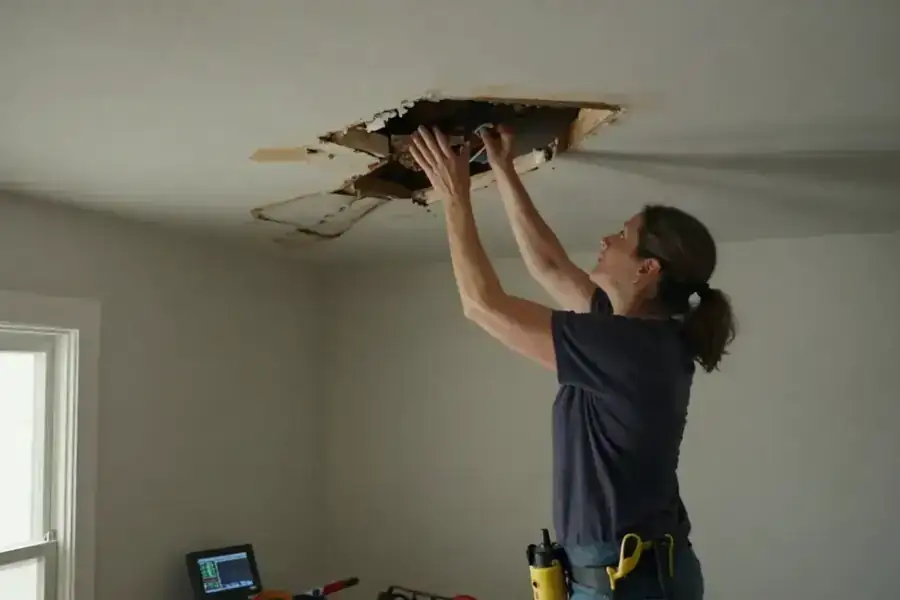
A rat's teeth never stop growing, so it gnaws constantly — through wood framing, PVC pipes, and electrical wiring. Norway rats have flooded crawl spaces by chewing through water lines; roof rats have sparked attic fires the same way. Removing the colony stops the damage at its source.
Rats spread leptospirosis through urine in damp areas like crawl spaces, and salmonella through droppings near food. Their parasites can also carry disease into the home. Professional removal plus sanitation guidance breaks every one of those transmission paths.
Rats breed quickly and follow scent trails, so a half-finished job just invites the next colony. Species-correct trapping, burrow treatment, and rat-proof exclusion close the loop — the colony that is removed is the last one.
Norway rats and roof rats behave nothing alike, and we do not treat them alike. Your plan matches the actual animal in your building — which is why it works the first time.
Exterior burrow systems get treated and collapsed, not just trapped around. That ends the outdoor colony feeding your indoor problem.
Plastic mesh and foam alone will not stop a determined rat. We seal with galvanized metal, copper, and concrete-grade products rated for real gnawing pressure.
Monitoring stations confirm the colony is gone after trapping ends, and your final report documents the species, the work, and the warranty.
Clear records you can keep and share.
Written confirmation of which rat species was present and how we identified it.
Dates, locations, and results for every trap and treated burrow on your property.
The sealed entry points, materials used, and warranty coverage in plain language.
Rat-specific knowledge that changes how you see the problem.
Rats are neophobic — they distrust anything new in their territory, including traps. That is why we pre-bait before setting traps, and why DIY trapping often fails for weeks.
Indoor trapping alone cannot beat an active outdoor colony. Burrow treatment, harborage removal, and yard sanitation are what keep rats from simply moving back in.
Roof rats travel along fences, wires, and branches, entering through the roofline. If your problem is overhead, the fix starts in the trees, not the basement.
If you're outside these neighborhoods, don't hesitate to reach out and ask. +14582640658
Most rat jobs in Corvallis land between $180 and $450, covering species identification, trapping, burrow treatment, and entry-point sealing. Heavy infestations needing extensive exclusion or attic restoration can cost more — you will get the full written quote before we start. The price reflects a complete colony removal, not a per-trap charge.
Norway rats are burrowers — larger, ground-dwelling, and usually found in crawl spaces, basements, and along foundations. Roof rats are climbers — sleeker, excellent at scaling trees and wires, and most often found in attics and upper walls. The distinction matters because traps, bait placement, and exclusion points differ completely between the two.
We start by confirming whether they are roof rats, then place rat-sized snap traps along their attic runways — pre-baiting first so wary rats feed confidently. Once trapping clears the colony, we seal the roofline and eave gaps they climbed through and advise on safe cleanup of droppings and nesting material. Most attic jobs resolve within two to three weeks.
They can be. Rats contaminate food and surfaces with droppings and urine, spreading salmonella and leptospirosis, and their constant gnawing on wiring creates a genuine fire risk. They can also bite if cornered. Professional removal eliminates the colony quickly, and our exclusion work keeps the next one from moving in.
Not through the routes we seal — our exclusion work uses rat-proof materials and carries a written warranty. New rats can still arrive from neighboring properties, which is why we leave monitoring in place and give you a yard-sanitation checklist. Most clients stay rat-free for years with those basics in place.
Call (458) 264-0658 for rat control in Corvallis, OR. We will identify the species, remove the colony, and seal every route — usually within three weeks.
We invite you to reach out for any rodent control needs. Our team is available Monday through Friday, with quick response times to your inquiries.