Rodent Control in Lewisburg, OR

Corvallis Rodent Shield brings rodent control to Lewisburg, OR — the rural-suburban pocket north of Corvallis bordering the McDonald-Dunn Research Forest. Acreage properties here face forest-edge pressure from every side, so we inspect and treat the whole property: house, outbuildings, and the ground between.

  • Address209 SW 6th St, Corvallis, OR 97333, USA, Corvallis, Oregon
  • Phone+14582640658
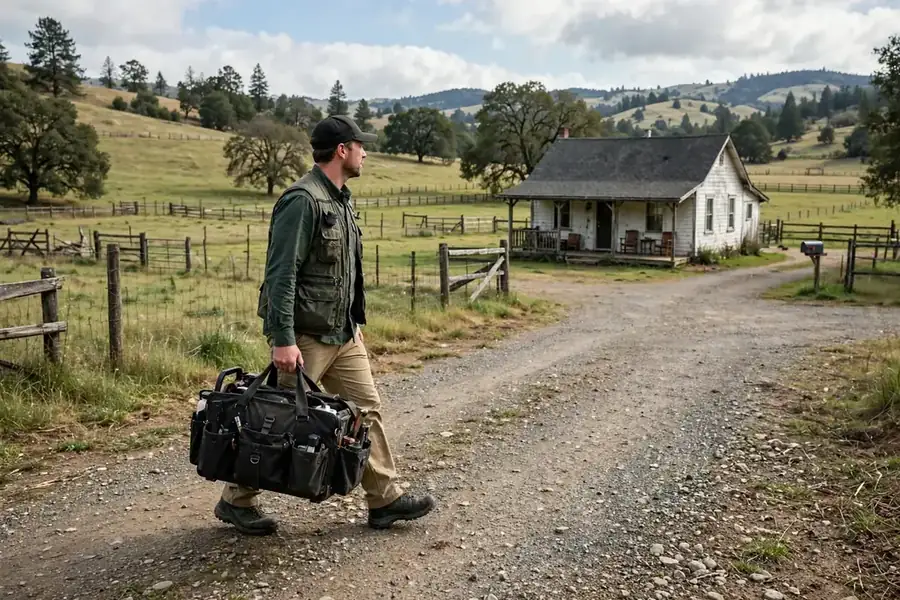
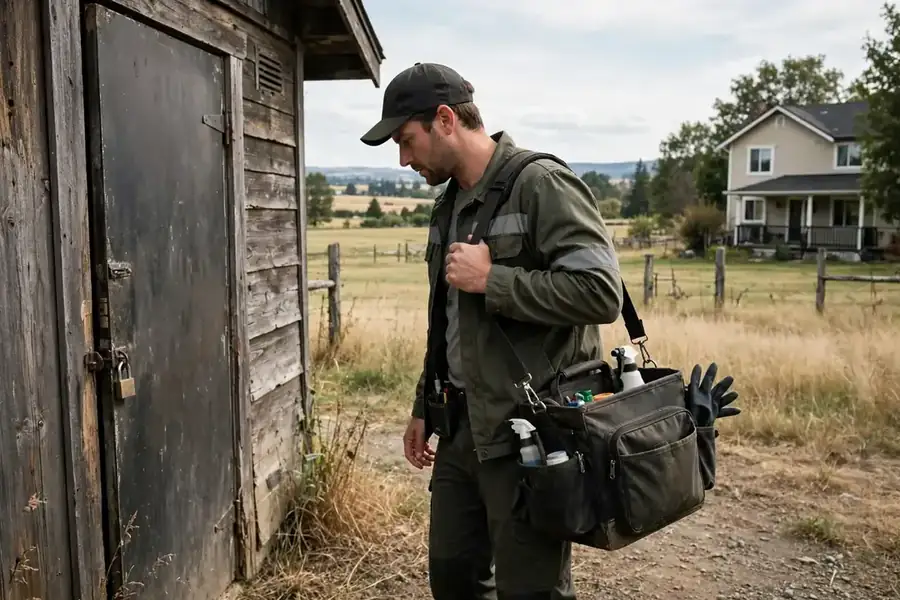
Technician inspecting a barn exterior on a Lewisburg acreage property

Serving Lewisburg and nearby

  • Comprehensive property assessmentsWe inspect every part of your home.
  • Tailored pest management plansSolutions are customized to your needs.
  • Follow-up inspectionsWe ensure the effectiveness of our services.
  • Transparent communicationYou'll be informed at every step.

Rodent Control in Lewisburg, Backed by Local Knowledge

Lewisburg is a rural-suburban pocket north of Corvallis where acreage lots, farmland edges, and the McDonald-Dunn Research Forest meet along Highway 99W. It's one of the most rodent-active landscapes in Benton County — OSU's research forest alone supports dense deer mouse and woodrat populations that spill onto neighboring properties year-round. Lewisburg Saddle's trail corridors bring hikers through the same woods that harbor roof rats and deer mice. Our service here is built for acreage: whole-property inspections, outbuilding exclusion, and forest-edge trapping lines.

Housing here ranges from older farmhouses and mid-century ranch homes to newer acreage builds, and each brings different vulnerabilities. Farmhouses often have original fieldstone foundations and dirt-floor basements; newer homes are tighter but sit closer to the forest edge where pressure is highest. Outbuildings are part of nearly every property — barns, shops, and equipment sheds that feed indoor invasions if left unsealed. Our Lewisburg plans treat the property as a system: house, outbuildings, and the land between them.

Rural Lewisburg road with forested hills and acreage properties

Rodent Control Services Available in Lewisburg

Every service below is available across Lewisburg, scaled for acreage and forest-edge conditions. Pick the service that fits, or start with a whole-property assessment.

How Our Service Works in Lewisburg

Technician walking a Lewisburg property boundary during inspection

Rodent Inspection and Assessment in Lewisburg

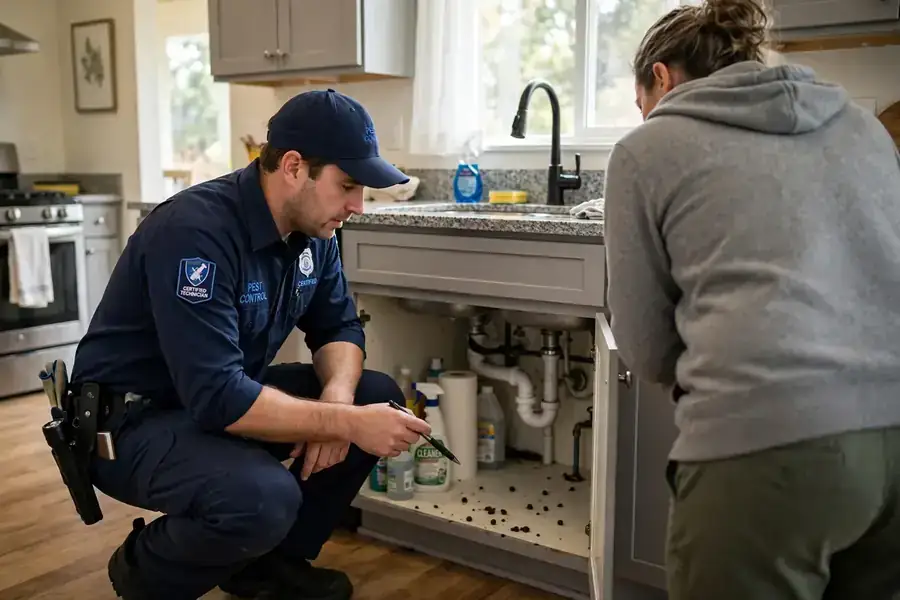
A Lewisburg inspection is a property survey, not just a house check. We walk the forest boundary and field edges, inspect every outbuilding, then survey the house interior — attic, crawl space, wall voids — for droppings and nesting. The written photo report prices a building-by-building plan so you can see exactly where the pressure comes from and what each fix costs.

  • Whole-property walk: house, barns, shops, sheds, forest and field edges
  • Interior survey of attic, crawl space, and wall voids for active signs
  • Written photo report with a building-by-building action plan
Lewisburg farmhouse with barn and fenced acreage

For Homes in Lewisburg

Lewisburg homes come with land, and that land comes with rodents. Our residential work covers the house and everything around it — because here, the outbuildings are half the problem.

  • Older farmhouses with fieldstone foundations and original outbuildings
  • Mid-century ranch homes on acreage near the forest boundary
  • Newer acreage builds with shops, barns, and equipment sheds
  • Properties along the Lewisburg Saddle corridor with direct forest access
Lewisburg-area farm stand and rural business service zone

For Businesses in Lewisburg

Lewisburg's businesses are mostly rural operations — farm stands, workshops, and hobby farms where feed and produce draw rodents. We build practical, documented programs that protect inventory without getting in the way of daily work.

  • Farm stands and agritourism stops storing produce and dry goods
  • Rural contractors and equipment shops with open bay buildings
  • Home-based businesses and workshops in converted barns
  • Equestrian and hobby-farm operations with feed storage

Common Rodent Problems in Lewisburg

Forest on one side, farmland on the other, acreage in between — Lewisburg concentrates rural rodent pressure. These four problems top our call list.

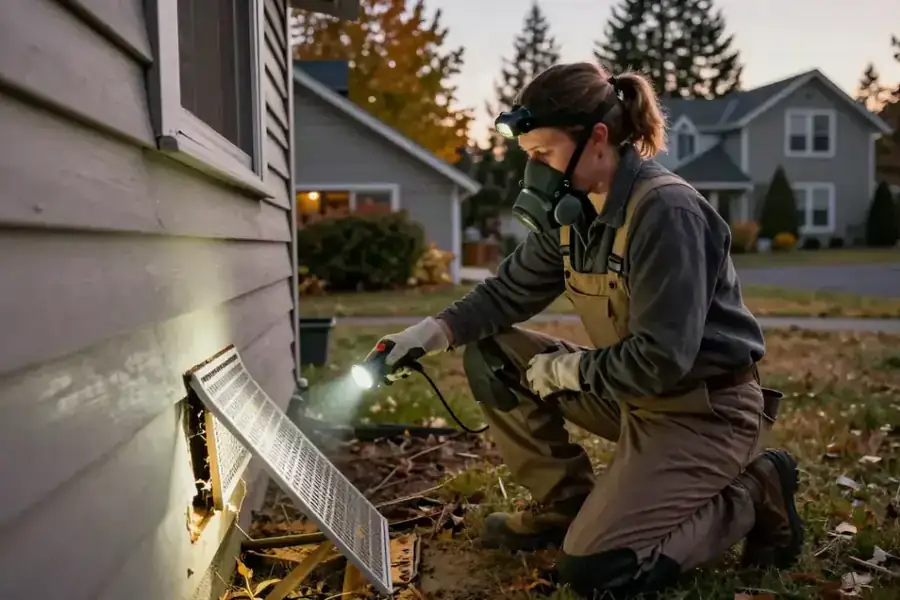
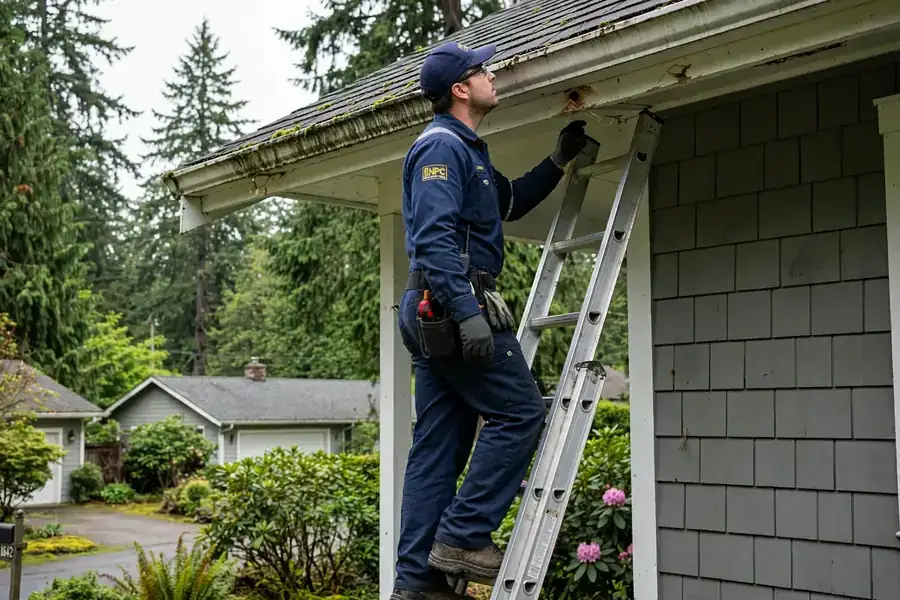
  • Roof rat entry at a fascia gap on a Lewisburg forest-edge home

    Roof Rats from the Forest Canopy

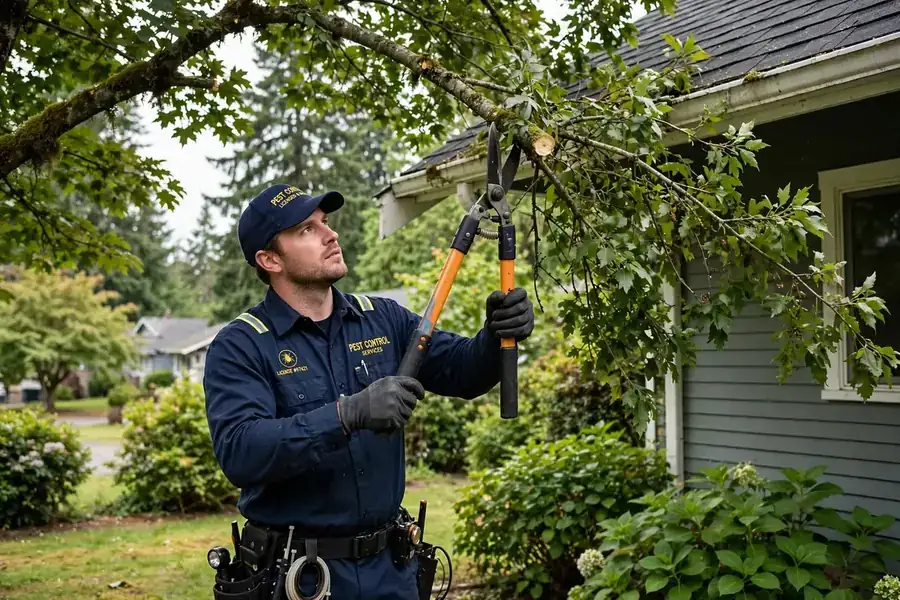
    Roof rats nest in the McDonald-Dunn canopy and travel the treeline straight onto Lewisburg roofs. Branches touching the house become highways; fascia and soffit gaps become doors. Once inside they colonize the attic, shredding insulation and gnawing wiring above the living space. We trap the attic, seal the roofline, and specify which branches to cut — the access work is as important as the sealing.

  • Deer mouse nesting in a Lewisburg equipment shed

    Deer Mice in Every Outbuilding

    Deer mice saturate the forest-floor and field edges around Lewisburg, and every barn, shop, and equipment shed on an acreage property offers them cover. They nest in stored boxes, feed sacks, and engine compartments — and their droppings can carry hantavirus, so shed cleanups need professional handling. We clear the outbuildings, rodent-proof them, and set the storage practices that keep mice out.

  • Norway rat burrows under a barn slab on a Lewisburg property

    Burrows Under Slabs and Footings

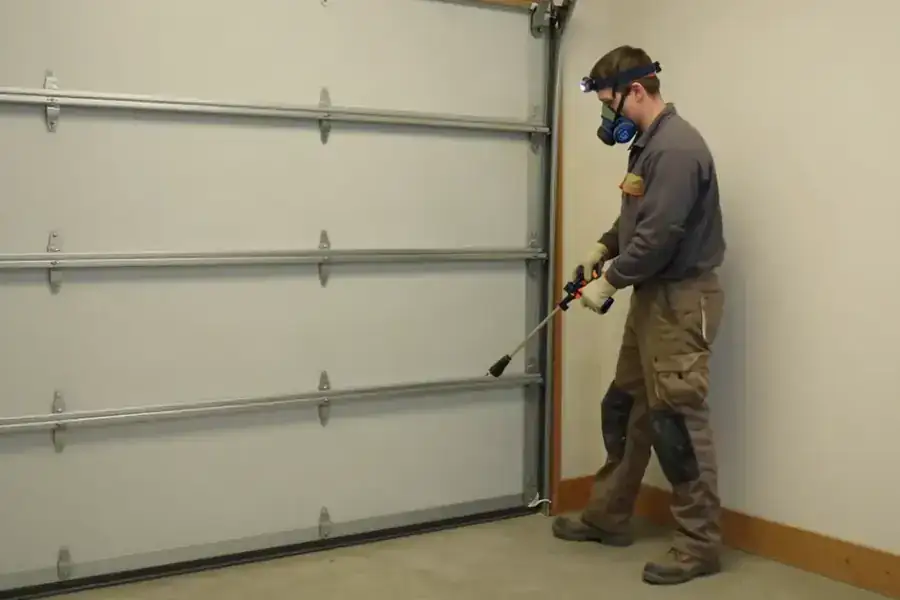
    Norway rats burrow under barn slabs, porch foundations, and outbuilding footings across Lewisburg's softer soils. The tunnel systems undermine concrete and give rats direct routes into attached garages. We treat the exterior burrow systems first, then screen the foundations — reversing that order just traps rats inside the tunnels.

  • Older Lewisburg farmhouse with original foundation gaps

    Farmhouse Vertical Highways

    Lewisburg's older farmhouses carry a century of gaps: fieldstone foundations, dirt-floor basements, and original crawl spaces with failing covers. Rodents move through these buildings vertically, nesting from basement to attic. Our farmhouse inspections map the full vertical route and seal it level by level, using materials that suit century-old masonry.

Signs You Need Rodent Control in Lewisburg

On acreage, the first signs usually appear in the outbuildings. Catch them there and the house stays clean.

Deer mouse droppings in a Lewisburg barn feed room
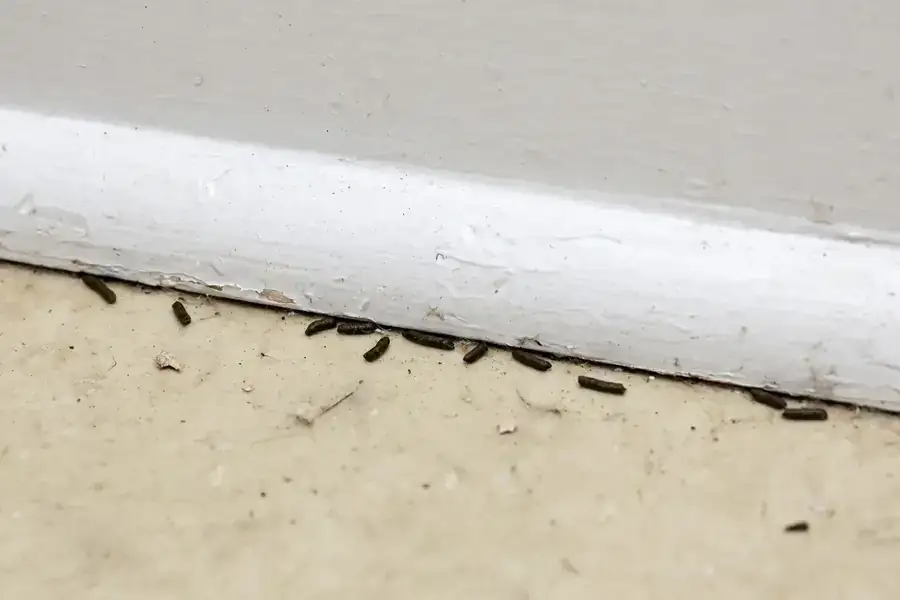
  • Droppings in sheds or the feed room

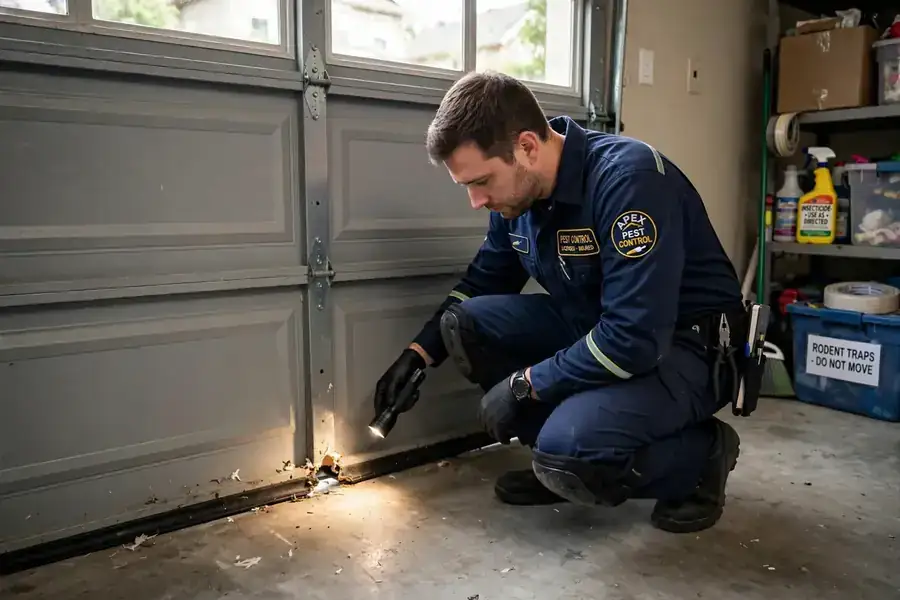
    Droppings in the shop, the feed room, or behind stored equipment mean mice are living in the outbuildings — and the house is next. Treat the property as one system.

  • Night scratching in the attic

    Scratching in the attic or walls after dark means rodents have moved from the land into the structure. On acreage, check the outbuildings first — then the house.

  • Gnawed feed sacks or wiring

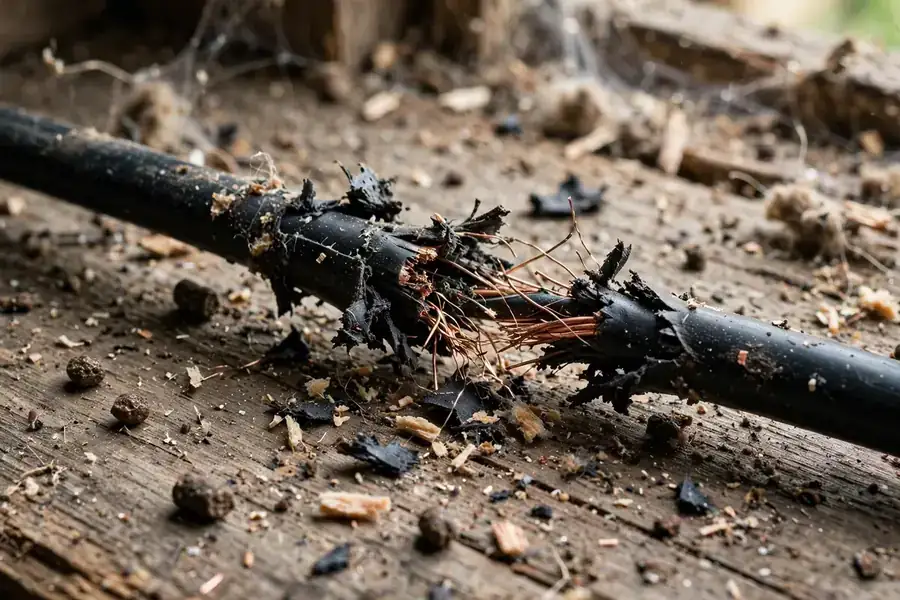
    Fresh chew marks on feed sacks, wiring, or stored boxes show active feeding. Rural rodents gnaw daily, so new damage means a current, growing population.

  • Fresh burrow tunnels near buildings

    Fresh tunnels around barn slabs, porch footings, or foundation lines are active Norway rat burrows. Burrowing near a building means entry is already happening or imminent.

  • Nests in stored equipment or boxes

    Shredded material packed into engine compartments, boxes, or wall voids means breeding is underway. Nests in outbuildings seed the house — clear both.

How Rodent Control Is Executed in Lewisburg

Forest, farmland, and acreage shape every Lewisburg job. These five factors drive how the work is sequenced.

  • Canopy-access roofline sealing

    Roofline and fascia gaps are sealed with metal flashing, and we specify which overhanging branches to trim. Forest-edge homes need this canopy work — without it, roof rats just find the next gap.

  • Outbuilding exclusion as standard

    Barns and shops get door seals, vent screening, and penetration closures in metal-based materials. Outbuilding exclusion breaks the cycle that keeps re-seeding the house.

  • Exterior-first burrow treatment

    Burrow systems under slabs and footings are treated from the exterior before any interior sealing. This order matters — sealing the house first traps rats in their tunnels and forces new digging.

  • Feed and attractant management

    Feed rooms, pet food, and compost are secured as part of every plan. On acreage, attractant management does as much work as trapping — we show you exactly what to change.

  • Pre-fall whole-property timing

    We schedule most Lewisburg exclusion for late summer, before the forest and field populations push indoors. Properties sealed by September handle the fall wave with far fewer problems.

Landmarks We Navigate By in Lewisburg

Lewisburg's landmarks are mostly forest and farmland — which is exactly why they matter for rodent work.

  • Lewisburg Saddle

    This McDonald-Dunn trail landmark marks the forest corridor that funnels deer mice and roof rats toward the properties below it — we plan exterior lines with it in mind.

  • McDonald-Dunn Research Forest

    OSU's 11,000-acre research forest is the engine of Lewisburg's rodent pressure; properties on its boundary get our most thorough forest-edge protocols.

  • Highway 99W

    The Pacific Highway West runs through Lewisburg and defines its commercial strip; we route acreage jobs along it and account for roadside pressure on frontage properties.

  • NW Arboretum Road

    This road leads into the forest's main trailhead area — properties along it sit at the direct interface between research forest and residential land.

  • Lewisburg Saddle trailhead

    The trailhead's parking and access corridor concentrates human and wildlife movement; nearby properties receive perimeter attention tied to that traffic.

  • Soap Creek valley

    The valley's farmland and riparian ground west of Lewisburg add a second pressure axis — farm-edge rodents that supplement the forest-edge populations.

Areas We Serve in Lewisburg

Lewisburg isn't a neighborhood town — it's acreage, corridors, and forest edges. We serve the whole pocket with whole-property plans.

  • Lewisburg Saddle corridor — forest-edge acreage along the trails
  • Highway 99W corridor — mixed rural residential and farm frontage
  • NW Lewisburg Road area — rural parcels near the forest boundary
  • Soap Creek side — farmland-edge properties to the west

Recent Results in Lewisburg

  • Forest-Edge Roof Rats Eliminated

    Before

    A forest-edge home had roof rats entering through fascia gaps, with droppings on insulation and chewed wiring in the attic.

    After

    We trapped the attic, sealed the roofline, trimmed the access branches, and the house has stayed quiet through three falls.

  • Barn-Slab Burrow System Treated

    Before

    An acreage property had Norway rats tunneling under the barn slab and into the attached garage.

    After

    Burrow treatment plus foundation screening ended the digging; follow-up visits found no new tunnels.

  • Farmhouse and Shop Cleared Together

    Before

    A farmhouse kitchen showed deer mouse droppings nightly, with the colony nesting in the shop's stored boxes.

    After

    After clearing and proofing both house and shop, the owner reports no sightings in two full seasons.

How Seasons Affect Rodent Control in Lewisburg

  • Spring

    Spring breeding expands forest and field populations rapidly, and young animals probe Lewisburg outbuildings for new territory. We repair winter damage to seals and service the exterior lines before the population peaks.

  • Summer

    Dry months concentrate rodents around irrigated gardens, livestock water, and pet bowls on acreage properties. Summer work often starts with a single attractant — a feed room, a compost pile — that we help secure.

  • Fall

    The first rains drive forest and field rodents toward every warm structure on the property. Fall is Lewisburg's heaviest invasion season, and the window when whole-property exclusion pays for itself.

  • Winter

    Indoor colonies breed through winter in barns, shops, and house attics alike. Cold-weather jobs mean trapping across multiple buildings and finding the entries the fall wave used.

Nearby Areas Served by Corvallis Rodent Shield

Questions to Ask Before Hiring Rodent Control in Lewisburg

Acreage properties need different questions than town homes. Use these five in Lewisburg.

  • What makes a Lewisburg inspection different?

    It walks the land: forest boundary, field edges, outbuildings, and the house — in that order. If an inspector only looks at the house, they're missing where the pressure starts.

  • Is exclusion worth it on acreage?

    Only if the outbuildings are included. Excluding the house while the barn feeds the colony is the most expensive mistake acreage owners make.

  • How do you place products around farm animals?

    In tamper-resistant housings, placed away from livestock and working animals, and mapped on paper. Ask for the placement map — rural properties need it more than anyone.

  • What should a prevention plan cover?

    It should treat house and outbuildings as one system, with exterior lines on the forest and field sides. Ask which buildings are covered — 'the house only' is an incomplete answer here.

  • What documentation comes with the job?

    Photos of every sealed point on every building, plus a written warranty covering them all. Acreage work without documentation is a gamble.

FAQs About Rodent Control in Lewisburg

Answers to common questions about rodent control in Lewisburg.

Still wondering? +14582640658

Technician walking an acreage property line during a Lewisburg inspection

Rodent Control for Lewisburg, OR

Forest edge, farmland, and acreage outbuildings — Lewisburg's rodent pressure is a whole-property problem, and that's how we treat it. Call (458) 264-0658 for a free whole-property inspection.

Get in Touch with Us

We invite you to reach out for any rodent control needs. Our team is available Monday through Friday, with quick response times to your inquiries.