Rodent Control in Shedd, OR for Farms and Country Homes

Rodent control in Shedd OR means dealing with harvest-season surges, old farmstead gaps, and colonies that move between barns and houses. We inspect the whole property, remove the active rodents, and seal every building so the cycle stops.

  • Address209 SW 6th St, Corvallis, OR 97333, USA, Corvallis, Oregon
  • Phone+14582640658
Technician inspecting a historic farmhouse in Shedd Oregon surrounded by fields

Serving Shedd and nearby

  • Comprehensive property assessmentsWe inspect every part of your home.
  • Tailored pest management plansSolutions are customized to your needs.
  • Follow-up inspectionsWe ensure the effectiveness of our services.
  • Transparent communicationYou'll be informed at every step.

Rodent Control in Shedd, Backed by Local Knowledge

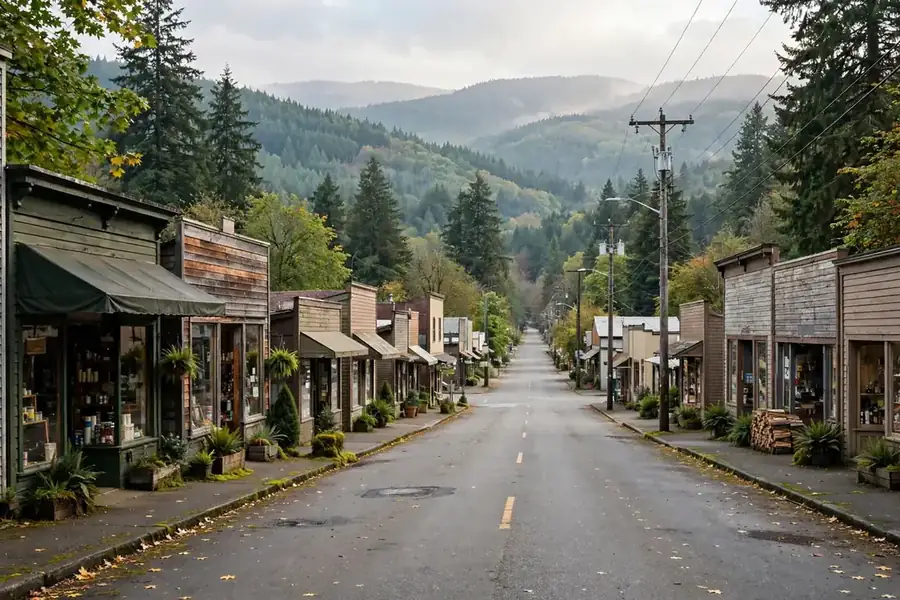
Shedd is a hamlet of about two hundred people on Oregon Route 99E, between Albany and Halsey, where the whole community sits inside working grass seed and grain country. Harvesters and combines flush field rodents in August and September, and those displaced animals look for the nearest barns, then the nearest houses, as fall rains arrive. The old farmsteads here, many built in the 1920s and 1930s, have stone foundations and crawl spaces with generous original gaps.

Homes in Shedd are mostly farmhouses and ranches from the 1920s through the 1950s, with a few newer builds on small acreage, and almost every property includes barns or equipment sheds. Grass seed and grain operations surround the community on every side, so harvest season moves thousands of rodents toward the nearest buildings at once. Properties near Thompson's Mills also see steady deer mouse traffic from the creek-bottom cover along the water.

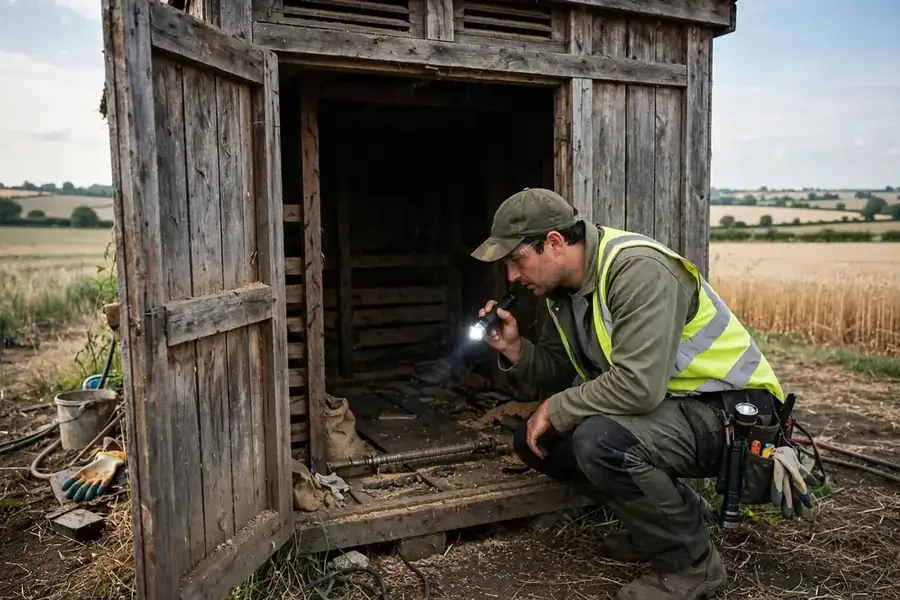
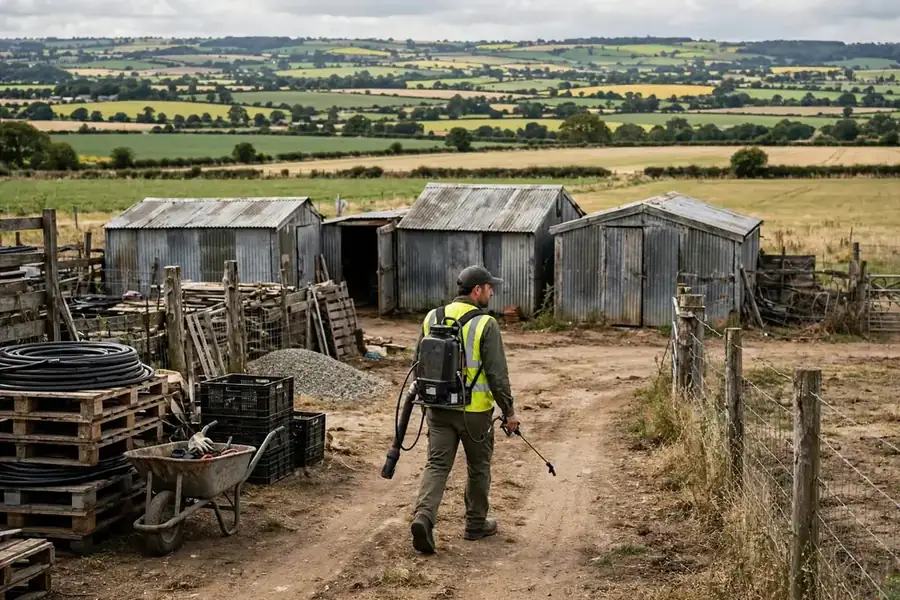
Grass seed fields and farmsteads around Shedd Oregon at harvest

How Our Service Works in Shedd

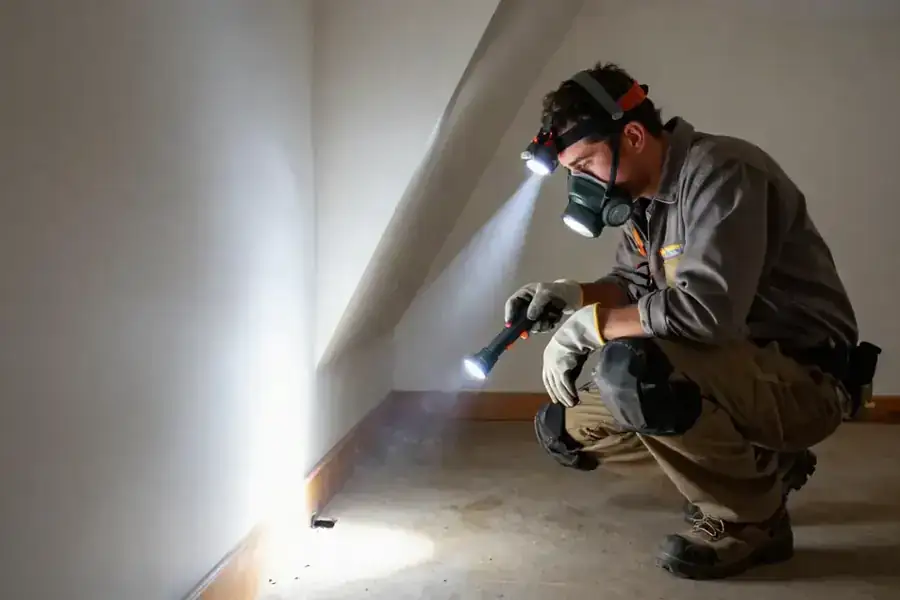
Inspector mapping burrows around a seed shed in Shedd

Rodent Inspection in Shedd

The Shedd inspection covers the farmhouse, every barn and shed, plus the field edges and creek lines rodents arrive from. Each building gets its own findings list, so you can see the full property picture before approving work.

  • House, barns, and sheds all walked
  • Burrow and entry mapping with photos
  • Prioritized repair list per building
Historic 1930s farmhouse in Shedd with equipment barn

For Homes in Shedd

Shedd homes are mostly older farmhouses with generations of gaps in their foundations, crawl spaces, and attached sheds. We match the repair approach to the era of the house, using methods that last on old construction.

  • 1920s and 1930s farmhouses with stone foundations
  • Ranch homes on small acreage with barns
  • Newer builds on former farmland
  • Country rental homes along private lanes
Farm supply building near Shedd with rodent monitoring stations

For Businesses in Shedd

Shedd's economy runs on agriculture, and ag businesses attract rodents with feed, seed, and equipment sheds. We build monitoring and exclusion plans that protect stored seed and equipment without slowing the workday.

  • Grass seed and grain operations
  • Equipment repair shops and barns
  • Nurseries and garden suppliers on acreage
  • Home offices and rural rental properties

Common Rodent Problems in Shedd

Shedd's rodent calendar is set by the farming year. These are the four problems that define the community.

  • House mice in a Shedd farmhouse wall void

    House Mice in Old Farmhouse Wall Voids

    House mice colonize the wall voids and attics of Shedd's older farmhouses, entering through stone foundation gaps and worn crawl space vents. They shred stored paper and fabric into nests and contaminate pantries. We map the interior routes, trap the colony, and seal the foundation gaps with mortar and mesh.

  • Rat burrows under a seed shed slab in Shedd

    Norway Rats in Seed and Grain Storage

    Norway rats burrow under seed and grain shed slabs, then chew into stored bags, contaminating inventory that took a season to grow. Burrow holes ring the slab edges and excavated dirt fans pile against the walls. We trap the colony, collapse the burrows, and lay a gravel barrier the rats cannot re-dig.

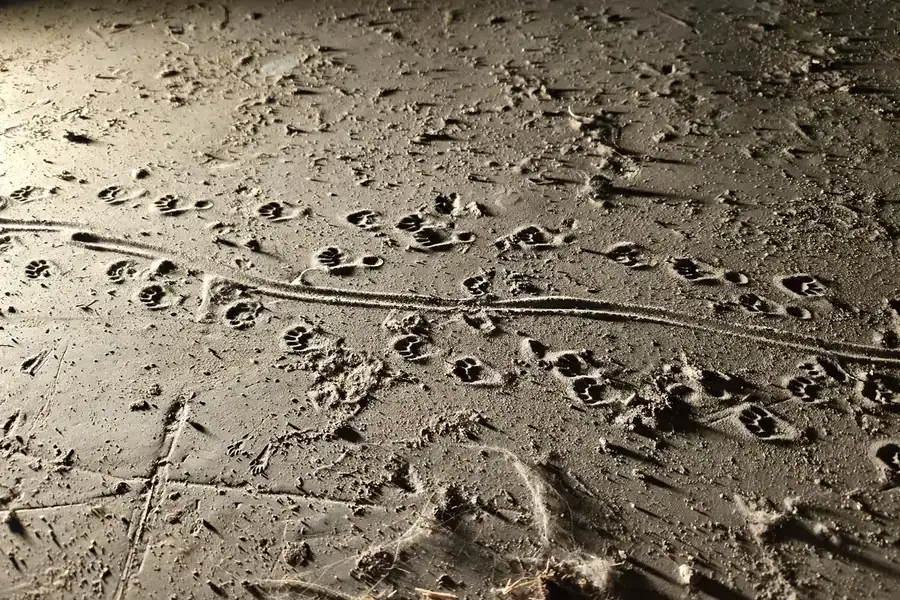
  • Deer mouse droppings in a Shedd crawl space

    Deer Mice From Creek Bottoms to Crawl Spaces

    Deer mice live in the brushy creek bottoms around Shedd and move into crawl spaces through rotted sill plates and pipe gaps as weather cools. Their droppings need careful handling because of hantavirus risk. We trap the routes, repair the sills, and disinfect the droppings areas with protective equipment.

  • Rodent pressure after harvest on a Shedd farm

    Harvest-Season Rodent Surges

    Harvest strips the fields that sheltered rodents all summer, sending a surge of displaced mice and rats toward the nearest buildings at once. Barns fill first, houses second. We schedule pre-harvest exclusion and post-harvest trapping so the surge never reaches your living space.

Signs You Need Rodent Control in Shedd

In farm country, barns and sheds show the first signs, and houses follow weeks later.

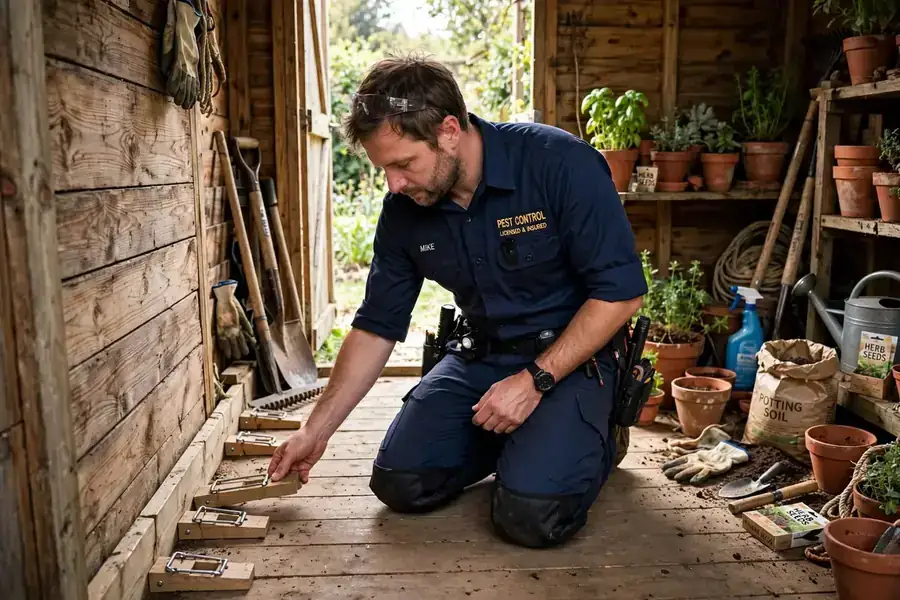
Technician pointing out shredded nesting material in a Shedd shed
  • Fresh Burrow Holes After Harvest

    A wave of fresh burrow holes along shed slabs and foundation lines, with excavated dirt fans at the openings, means a displaced colony is moving in. Post-harvest, this sign deserves a same-week call.

  • Shredded Nesting Material in Stored Boxes

    Look behind stored feed bags, boxes, and farm papers. Shredded material pulled into nests, plus dark droppings nearby, shows mice have settled into a wall void or attic.

  • Rustling Inside Wall Voids at Night

    Mice and rats run the same wall lines nightly, and you will hear rustling inside wall voids and above ceilings after dark. Sound that follows a regular route usually maps to a real colony.

  • Gnawed Door Gaps on Sheds and Barns

    Rodents widen the gaps around shed doors, barn doors, and crawl vents by gnawing, leaving pale fresh marks against weathered wood. New chewing next to old marks means the entry is active now.

  • Chewed Corners on Feed and Seed Bags

    Grain spills and chewed bag corners in storage sheds are Norway rat signatures. They contaminate far more seed than they eat, so early signs in a shed should never wait.

How Rodent Control Is Executed in Shedd

Shedd execution follows the farming calendar, not a generic route sheet. Here is how each phase runs locally.

  • Whole-Property Inspection

    We walk the farmhouse, barns, seed sheds, and the field and creek edges because Shedd rodents use all of them. The map shows every active zone, so nothing is treated in the dark.

  • Farm-Tough Exclusion Materials

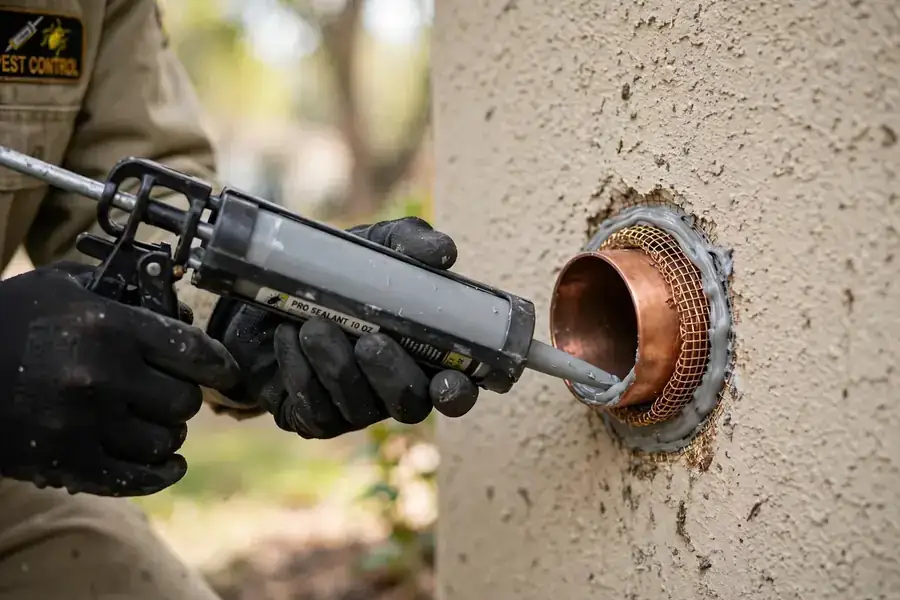
    Stone foundations get mortar-and-mesh repairs, sheds get hardware cloth and door sweeps, and crawl vents get screened. Every material is chosen to hold up against rats that chew, not just mice that squeeze.

  • Logged Trapping With Surge Rounds

    Traps are placed on mapped routes and cleared on a set schedule, with captures logged so we can track the decline. Post-harvest surges get additional rounds because new animals arrive for weeks.

  • Sanitation Around Barns and Sheds

    We advise on sealed grain bins, cleaned-up spills, brush cleared from foundations, and firewood moved away from walls. These changes remove the food and cover that anchor colonies to your buildings.

  • Timed to the Farming Calendar

    Every Shedd plan is scheduled around the farming year: exclusion before harvest, trapping after it, rechecks through winter. That timing turns a reactive service into a real prevention program.

Landmarks We Navigate By in Shedd

Shedd is tiny, so its mill, highway, and farm lanes serve as our navigation anchors.

  • Thompson's Mills

    About a mile east of town, the 160-year-old water-powered mill draws visitors; properties along its road see steady deer mouse traffic from the creek cover.

  • Oregon Route 99E

    Shedd's main street and postal route; the homes and farms along it make up most of our service calls.

  • Peoria Road

    Running southwest from the community, Peoria Road connects Shedd farmsteads toward the Willamette River bottomland.

  • Historic Shedd railway station site

    Shedd grew up around its rail depot, and the lanes near the old station hold some of the community's oldest farmhouses.

  • Boston Mills historic site

    The 1850s flouring mill town east of Shedd marks the far edge of the farmland we patrol for harvest-season migration.

  • Grass seed fields

    The seed fields ringing the community are the engine of Shedd's rodent pressure every harvest season.

Neighborhoods We Serve in Shedd

Shedd has no subdivisions, so we serve its roads, lanes, and farmsteads directly.

  • Homes along Oregon Route 99E through town
  • The private country lanes off the highway
  • Properties along Peoria Road southwest of town
  • The farm lanes toward Thompson's Mills

Recent Results in Shedd

  • Farmhouse Wall Voids Cleared of Mice

    Before

    A 1930s farmhouse on a private lane had house mice running the wall voids, entering through stone foundation gaps and an open crawl space vent that had been missing its screen for years.

    After

    Trapping removed the house colony and we sealed the stone foundation gaps with mortar and mesh. The homeowner reported a quiet house for the first time in years.

  • Seed Shed Rat Colony Removed

    Before

    Norway rats had taken over a seed storage shed, burrowing under the slab and chewing into stored grass seed bags, with burrows radiating out to the field edge.

    After

    Sanitation upgrades plus a two-week trapping program cleared the colony, and sealed grain bins ended the food source. No captures on the next two checks.

  • Crawl Space Deer Mouse Route Closed

    Before

    Deer mice from the creek-bottom cover were moving into a crawl space through rotted sill gaps, leaving droppings and shredded insulation throughout.

    After

    We relocated the brush piles, sealed the sill and pipe entries, and trapped the remaining mice. Monitoring stations have stayed quiet since.

How Seasons Affect Rodent Control in Shedd

  • Spring

    Planting equipment and tillage disturb burrows, pushing rats toward buildings with stored feed. Spring inspections find the entries that winter storms opened in old farmhouses.

  • Summer

    Rodents thrive in standing grain and field margins all summer, building the populations that surge after harvest. Summer is the ideal window for exclusion work on barns and sheds.

  • Fall

    Harvest and the first rains combine into Shedd's peak pressure season, with displaced rodents hitting barns and houses in waves. Homes sealed before harvest stay quiet; others fill fast.

  • Winter

    Cold weather drives the remaining colonies indoors, where they breed in wall voids and chew stored materials. Winter monitoring keeps the interior population from quietly rebounding.

Nearby Areas Served by Corvallis Rodent Shield

Questions to Ask Before Hiring Rodent Control in Shedd

Farm-country rodent work lives or dies on timing and species knowledge. These questions reveal both.

  • When is rodent pressure worst around Shedd?

    A real answer starts with harvest timing: August and September displacement, October rains. The plan should show pre-harvest sealing and fall trapping on the calendar.

  • Do you include barns and sheds in the plan?

    Expect yes. Barns and sheds are the staging ground for house invasions in farm country, and skipping them guarantees a repeat call.

  • How do you protect stored seed from contamination?

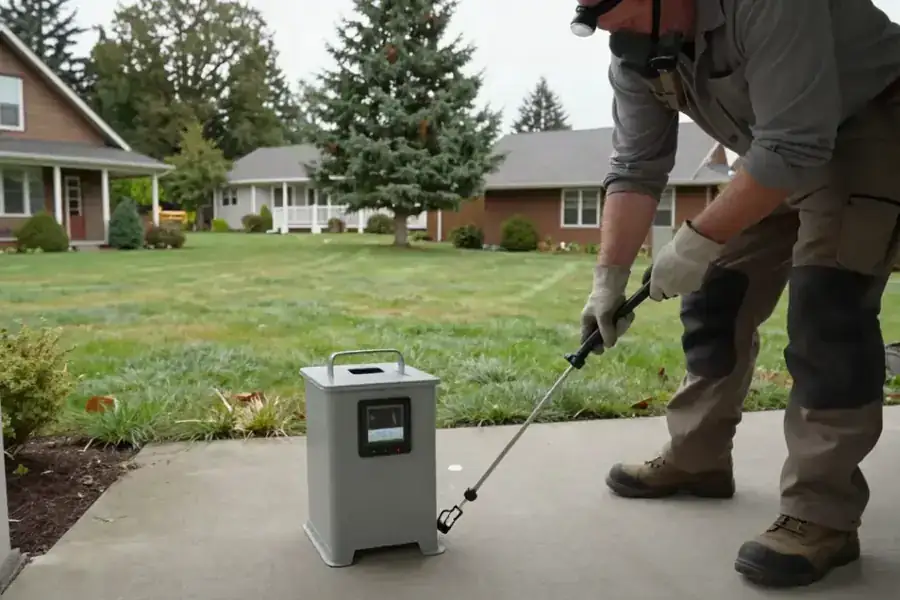
    Grain and seed storage sheds need locked, tamper-resistant stations placed along walls and entry points, never loose bait where livestock or pets reach. Ask for the station map before approving.

  • Which species do you see most here, and does it matter?

    They should name Norway rats, house mice, and deer mice, and explain how trap placement differs for each. A company that treats them all the same will miss the mark.

  • What proof will I get that the work is complete?

    Stone foundations and old crawl spaces need mortar-and-mesh sealing with dated photos, plus trap logs showing captures falling to zero. Ask to see both before the job closes.

FAQs About Rodent Control in Shedd

Answers to common questions about rodent control in Shedd.

Still wondering? +14582640658

Technician answering questions at a Shedd farm property

Rodent Control in Shedd, OR — Call (458) 264-0658

From harvest-season surges to old farmhouse gaps, we handle Shedd rodent problems with a full-property plan. Call Corvallis Rodent Shield at (458) 264-0658 to get on the schedule before the next harvest surge.

Get in Touch with Us

We invite you to reach out for any rodent control needs. Our team is available Monday through Friday, with quick response times to your inquiries.