
Rodent ControlLocal Guide
Rats in a Crawl Space: Signs, Removal, and Prevention in Corvallis
Learn how to recognize crawl-space rat activity, protect your household, and stop the entry route before damage and odor spread through the home.
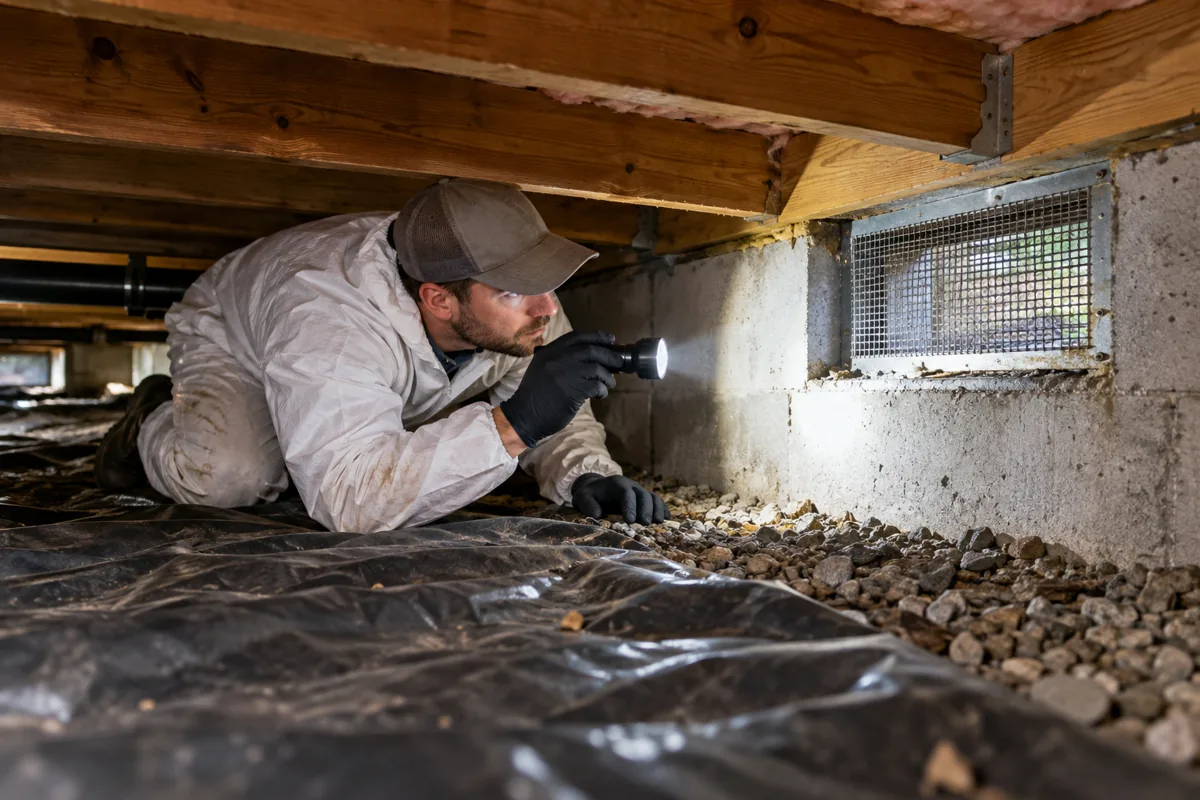
Rats in a crawl space can stay out of sight while leaving evidence above and below the floor: scratching at night, a strong odor, droppings along the foundation, damaged insulation, or a torn vapor barrier. Homeowners often search for how to get rid of rats in a crawl space because the area is dark, tight, and connected to plumbing, wiring, ducts, and floor cavities. The safest answer is not to crawl in and spread bait or traps at random. Start with an inspection that identifies the species, the entry route, and any contamination.
This guide covers the signs people usually find, the immediate steps that reduce risk, how professional crawl-space rodent control is structured, and the repairs that help keep rats out of a Corvallis home.
Quick answer: what rats in a crawl space mean
Rats use crawl spaces because they can provide shelter, darkness, moisture, and access to food or water. An open foundation gap, damaged vent screen, loose access door, or plumbing penetration may be enough to start the problem. Once inside, rats can travel along the perimeter, disturb insulation, chew materials, and move through openings into wall or floor cavities.
Not every crawl-space sound is a rat. Mice, opossums, raccoons, squirrels, and plumbing movement can create different clues. Rat-size droppings, strong odor, gnawing, rub marks, and disturbed soil or vapor-barrier edges make an inspection more urgent. Correct identification affects trap placement, exclusion materials, and the cleanup plan, so use rodent inspection and assessment before making major repairs.
Signs of rats in a crawl space
Look for multiple indicators in the same area. A single old dropping can remain after activity has stopped, while fresh disturbance along several edges suggests ongoing movement.
- Droppings along walls or beams: Rats often travel near edges. Repeated droppings beside a foundation wall, pipe run, or access route are worth documenting.
- Nighttime scratching or movement: Sound may come from the crawl space, a floor cavity, or a wall. Heavier scurrying and gnawing should not be ignored.
- Gnawing and damage: Chewed wood, plastic, duct covering, insulation, or wiring can indicate an active travel route. Have damaged electrical components checked by a qualified professional.
- Musky odor: A persistent animal or urine smell can move upward through floor gaps and HVAC or utility pathways.
- Disturbed insulation: Flattened, pulled, or shredded insulation can show nesting or repeated movement. Do not handle it without cleanup guidance.
- Torn vapor barrier or soil disturbance: Rats may move along the ground or push through weak materials around a vent, access door, or foundation opening.
- Grease or rub marks: Repeated travel can leave darker marks where an animal brushes against wood, concrete, or other surfaces.
- Entry evidence outside: Look for gaps at vents, foundation joints, doors, utility penetrations, and areas where landscaping or stored materials touch the home.
Do not enter a tight, contaminated crawl space just to confirm a sign. If you see a carcass, heavy droppings, standing water, damaged ducts, or a strong odor, ask about rodent cleanup and sanitation and keep the area closed off until it can be assessed.
What to do before removal
Keep children and pets away from the crawl-space access and from rooms where the floor or baseboards show damage. Put food, garbage, birdseed, and pet food in sealed containers. Check that doors and windows close properly, but do not start opening interior walls or pulling out insulation.
Write down the first date you noticed the sound or odor, where you see droppings, and whether the activity changes at night or after rain. Take exterior photos of vents and foundation openings from a safe position. A short record can help a technician connect the indoor signs to an outside entry route.
Avoid dry sweeping or vacuuming droppings. Do not use your hands to move nesting material, and do not put poison where a dead rat could remain under the floor. Also avoid sealing every opening before an inspection. If an animal is still inside, a rushed repair can trap it or force it into another part of the home.
Some homeowners try to solve a crawl-space problem with one trap or one spray. That may remove one animal without addressing the route used by the rest. The better sequence is inspect, remove, exclude, clean, and monitor. Oregon State University’s general pest guidance similarly emphasizes removing attractants and repairing openings as part of rodent management.
The complete crawl-space rat removal process
Professional service should be organized around the building, not just the visible dropping. A useful visit answers four questions: what animal is present, how it is entering, whether activity is ongoing, and what material needs cleaning or repair.
- Access and safety review: The crawl-space entrance, clearance, moisture, wiring, ducts, and vapor barrier are assessed before anyone moves through the space.
- Interior and exterior inspection: The perimeter, vents, foundation joints, plumbing and utility penetrations, doors, and connected attic or wall routes are checked. The goal is to find the entry point, not just the nest.
- Species and activity assessment: Droppings, gnaw marks, tracks, odor, and the size and location of openings help distinguish rats from mice or wildlife. Fresh signs guide placement and follow-up.
- Trapping and removal: Appropriate traps are positioned on travel routes with household safety in mind. The rat control and removal plan should explain what happens after a catch and how activity will be monitored.
- Exclusion repairs: Weak screens, foundation gaps, doors, vents, and utility openings are repaired with durable materials. The repair should account for airflow and drainage rather than blocking a required vent without a suitable screened solution.
- Cleanup and repair recommendations: Contaminated surfaces, damaged insulation, odor, vapor-barrier tears, and chewed components are reviewed. Cleanup is done after active animals are addressed so new contamination does not undo the work.
- Follow-up monitoring: New droppings, odor, gnawing, or disturbed material are checked. If signs return, the inspection can focus on a missed or newly damaged entry point.
This is why crawl-space rat removal is more than placing bait. A complete service connects removal with rodent exclusion, sanitation, and prevention. It also reduces the chance that an animal dies in a hidden cavity and creates a second problem.
Why exclusion and cleanup matter
Rats can return when the original opening remains open. They may also use a different access point after a repair blocks only the first route. Exclusion should cover the full perimeter: crawl-space vents, access doors, foundation penetrations, plumbing and electrical lines, deck or addition connections, and damaged skirting or siding.
Cleanup matters because droppings, urine, nesting material, and odor can remain after the animal is gone. Contaminated insulation may need a careful evaluation rather than an automatic replacement or an unsafe do-it-yourself vacuuming job. If a rat has chewed a wire, duct, vapor barrier, or support material, the correction may involve another qualified trade.
For a Corvallis home, the right solution also considers moisture and ventilation. A crawl space that stays damp, has standing water, or has a damaged vapor barrier can be more attractive to pests and harder to clean. Addressing moisture sources and keeping vents properly screened supports the rodent-control work without creating a new building problem.
How to prevent rats from returning
- Keep crawl-space vents intact and screened with a material strong enough for the location.
- Repair gaps at foundation joints, access doors, pipe penetrations, and utility lines.
- Keep the access door closed and fitted so it does not leave a bottom or side gap.
- Store garbage, animal feed, birdseed, and bulk food in sealed, hard-sided containers.
- Clean spilled feed and fallen fruit around the property and keep compost secured.
- Reduce clutter, lumber, and dense vegetation touching the foundation where practical.
- Check for new openings after plumbing, HVAC, electrical, foundation, or deck work.
- Repair damaged vapor barriers and address standing water or drainage problems.
- Schedule a follow-up when fresh signs were present, rather than waiting for a new odor or ceiling noise.
A prevention plan is strongest when it combines rodent prevention services with targeted exclusion. If the home has repeated activity, ask for a written list of the entry points, repairs, cleanup needs, and follow-up checks so the next step is clear.
Rats in crawl space FAQs
Can rats climb into a crawl space through a vent? Yes. A damaged or missing screen can offer direct access, but foundation gaps, doors, utility lines, and connected additions are also common routes. Inspect the whole perimeter.
Will rats leave if I remove food? Removing food helps, but it does not close shelter or entry routes. A rat may continue using the crawl space or find food outdoors, so sanitation should support—not replace—removal and exclusion.
Is a rat in the crawl space an emergency? It should be handled promptly, especially with strong odor, heavy droppings, damaged wiring, a dead animal, or signs that activity has reached the living area. Keep people and pets out while arranging an assessment.
Do I need to replace my crawl-space insulation? Not automatically. The condition, location, contamination, odor, moisture, and damage determine whether cleaning, treatment, repair, or replacement is appropriate.
What information helps a technician? Share where you heard movement, where droppings or odor are strongest, whether the signs are new, any roof or foundation work, and whether pets or children use the area near the access door.
If you suspect rats below your floor, contact Corvallis Rodent Shield for an inspection-based plan that covers removal, entry repairs, cleanup, and prevention.