
Rodent ControlLocal Guide
Mice in the Attic? Signs, Safe Removal, and Prevention in Corvallis
Find mouse signs early, protect your household, and choose the right removal and exclusion steps for an attic in Corvallis or the surrounding Willamette Valley.
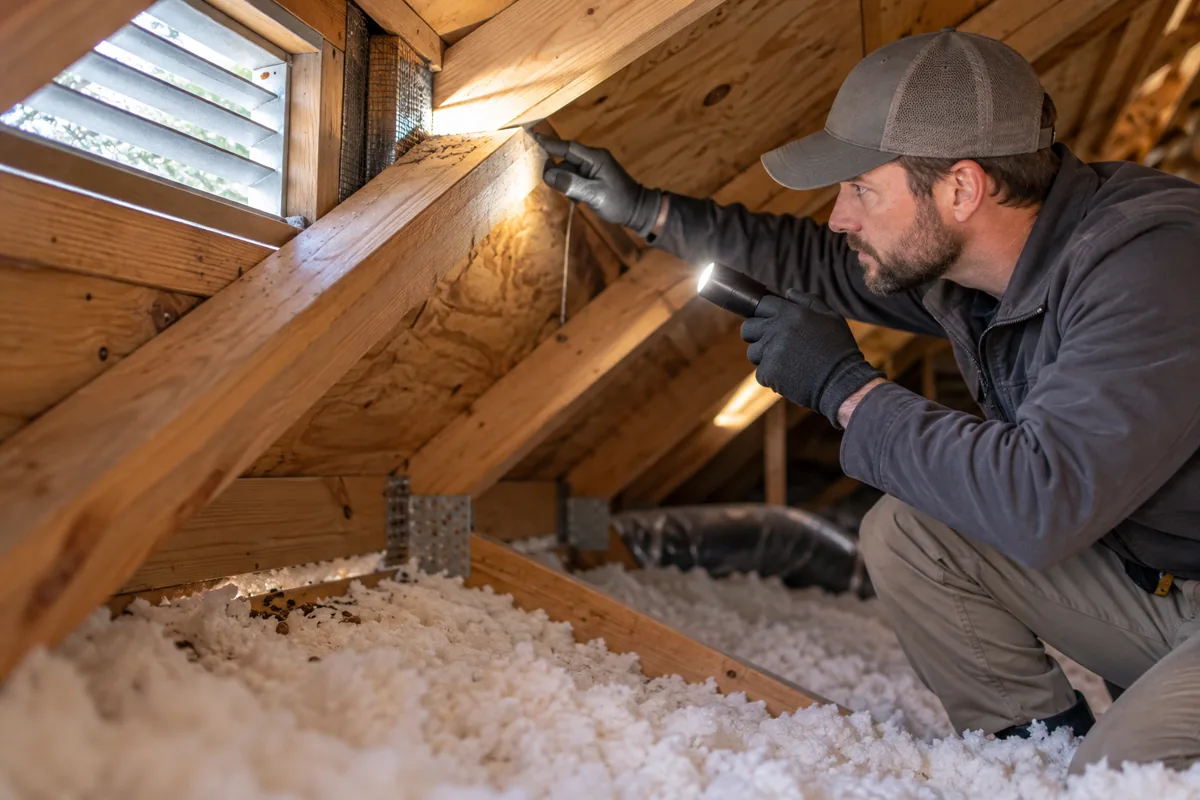
Hearing scratching in the attic at night, finding small droppings near insulation, or noticing a stale urine smell can make a homeowner ask the same question: are there mice in my attic, and what should I do first? The short answer is to treat the signs as active until an inspection shows otherwise. Mice may be using the attic for shelter, nesting, or a route into wall and ceiling cavities. Trapping alone does not solve the problem if the entry point remains open.
This guide explains the signs homeowners actually look for, the safest first steps, what a complete mice-in-attic removal plan includes, and how to prevent a repeat problem. If the activity is persistent, start with a rodent inspection and assessment so the response matches the animal and the access points.
Quick answer: what mice in an attic usually mean
Mice in an attic usually mean the home has a usable entry route plus a quiet place to nest. Common routes include gaps around roof vents, damaged or missing screening, soffit and fascia joints, chimney flashing, utility penetrations, and openings where the roof meets an attached structure. A small opening can be enough for a mouse, while the same opening may later be used by other wildlife.
Do not assume that every attic noise is a mouse. Squirrels are often active in daylight, rats can create heavier movement and larger droppings, and birds may enter through a damaged vent. Identifying the species matters because the inspection pattern, trap placement, cleanup precautions, and exclusion materials can differ. When the signs are unclear, a professional mouse control and removal assessment is more useful than buying a random repellent.
Signs of mice in an attic
One sign is not always proof, but several signs in the same area make active rodent use more likely. Look for patterns rather than a single dropping or isolated sound.
- Light scratching or rapid scurrying: Mice commonly move along joists, insulation edges, and the space above a ceiling. Nighttime activity is common because the house is quiet.
- Small, dark droppings: Droppings near a travel route, nesting material, or a roof penetration deserve attention. Fresh activity may appear darker or softer than old, dry material.
- Shredded nesting material: Paper, fabric, cardboard, insulation fibers, and other soft material may be pulled into a sheltered corner.
- Gnawing: Chewed wood, plastic, stored items, or electrical covering can show where an animal is moving. Do not touch damaged wiring; arrange a qualified electrical check if needed.
- Odor: A persistent musky or urine-like smell can build up in a warm, poorly ventilated attic, especially around a nest or repeated travel path.
- Compressed insulation or runways: Narrow paths through insulation, rub marks near openings, or repeated disturbance can show regular movement.
- Ceiling or wall clues: Sounds may travel away from the actual nest. A noise in a bedroom ceiling does not prove the animal is directly above that room.
Use a flashlight from a safe access point, but do not crawl across loose insulation or disturb a suspected nest. If you see a strong odor, extensive droppings, damaged wiring, or a dead animal, stop the inspection and ask about rodent cleanup and sanitation.
What to do right now
First, keep children and pets out of the attic and the room below any visibly damaged ceiling area. Secure pantry foods, birdseed, pet food, and garbage in sealed containers. These steps do not remove mice, but they reduce attractants while you arrange an inspection.
Second, record what you are seeing. Note the time of the noise, the rooms where it is heard, the location of droppings, any odor, and whether the activity is increasing. Photos from a safe standing position can help a technician plan, but do not handle droppings or nesting material just to get a closer picture.
Third, avoid sealing the first hole you find if you suspect animals are still inside. Closing one opening without checking the rest can trap an animal in a wall or attic, or simply redirect it into the living space. Avoid placing poison where a carcass could be inaccessible inside a wall, and do not rely on ultrasonic devices as the main solution. A complete plan combines removal with exclusion.
For general cleanup safety, follow public-health guidance and get advice before stirring contaminated dust. Oregon State University’s pest guidance also emphasizes removing food sources and repairing openings rather than treating one symptom in isolation. If the attic has a large amount of contamination, use a professional rather than attempting a dry cleanup.
How attic mouse removal works
A good service visit starts with diagnosis. The technician should inspect the attic, roofline, vents, soffits, eaves, garage connections, and accessible wall or crawl-space transitions. They should look for fresh versus old signs, determine whether mice are active, and consider whether the evidence could come from rats, squirrels, bats, or birds.
- Inspection and mapping: Activity, droppings, nesting, odors, and likely travel routes are mapped. Exterior entry points are checked rather than guessed from one interior clue.
- Species and risk review: Mouse-size openings, larger gnaw marks, damaged wiring, and contamination levels change the recommendations. The household also gets clear instructions about areas to avoid.
- Removal: Traps or other appropriate methods are placed where the animal travels, with attention to children, pets, and the building layout. See the rodent trapping and removal service for the removal step.
- Exclusion: Openings are repaired with durable materials suited to the location. This may include vent screening, hardware cloth, metal flashing, or repairs around roof and utility penetrations. Foam alone is not a durable answer where rodents can chew through it.
- Cleanup decision: Lightly affected areas may need careful treatment, while heavily soiled insulation, nesting, odor, or contaminated surfaces may call for specialized sanitation. Do not replace insulation before the entry route and active animals are addressed.
- Follow-up: A follow-up check looks for new droppings, fresh gnawing, or activity at repaired points. Prevention is more reliable when the home is monitored after removal.
This sequence is why attic rodent removal should be treated as more than a trap placement. The goal is to remove the active problem, make the space safer, and close the route that allowed the problem to start.
DIY or professional removal?
A homeowner can safely handle basic prevention such as sealing food, trimming vegetation away from the roof, and reporting damaged screens. DIY trapping may be reasonable when there is a single, clearly identified mouse and no contamination or inaccessible space. It becomes a poor fit when sounds continue after trapping, there are multiple droppings, the attic is hard to access, or the entry point is on the roofline.
Choose professional help sooner when there is damaged electrical wiring, a strong odor, a dead animal, heavy droppings, visible nesting, a child or pet that may enter the area, or repeated activity after prior repairs. These situations involve inspection and cleanup decisions, not just catching an animal. A local team can also coordinate exclusion and sanitation so the work does not stop after the first quiet night.
How to keep mice from returning
After removal, prevention should focus on the building envelope and the food and shelter conditions around it.
- Inspect roof vents, gable vents, soffits, fascia corners, and chimney or pipe penetrations for gaps and damaged screens.
- Keep garage doors closed when practical and seal the bottom and side gaps that lead into attached spaces.
- Store pet food, birdseed, and bulk food in hard-sided containers with tight lids.
- Clean fallen fruit and spilled seed around the home and reduce clutter against exterior walls.
- Trim branches that touch or closely overhang the roof, while following safe ladder and tree-work practices.
- Check crawl-space vents, foundation penetrations, and utility lines because attic and crawl-space routes can connect inside wall cavities.
- Recheck repaired areas after heavy rain, wind, remodeling, or roof work.
The most durable prevention plan is a combination of rodent exclusion and ongoing rodent prevention. If the attic has already been contaminated, schedule cleanup after the animals are out and the openings are closed.
Mice in attic FAQs
How quickly should I respond to attic mouse signs? Respond as soon as you notice repeated signs. Early inspection can limit contamination and may reveal a simple entry repair before the problem spreads into walls or living areas.
Will mice leave the attic on their own? They may change locations, but a quiet period does not prove the problem is over. Food, shelter, and an open entry route can keep the cycle going.
Should I replace insulation immediately? No. First identify activity, remove animals, repair entry points, and then decide whether cleanup or replacement is needed based on the affected area.
Can I use a home remedy to repel mice? Home remedies may change odor temporarily, but they do not close a roofline gap or remove an established nest. Use inspection, removal, exclusion, and sanitation as the complete approach.
What should I tell a Corvallis rodent-control company? Share the exact rooms, time of day, duration, droppings or odor locations, recent roof work, and any pets or children who need to be considered. Clear details make the first visit more useful.
If you are hearing mice in the attic or finding new signs, contact Corvallis Rodent Shield for a practical next step based on the condition of the home.